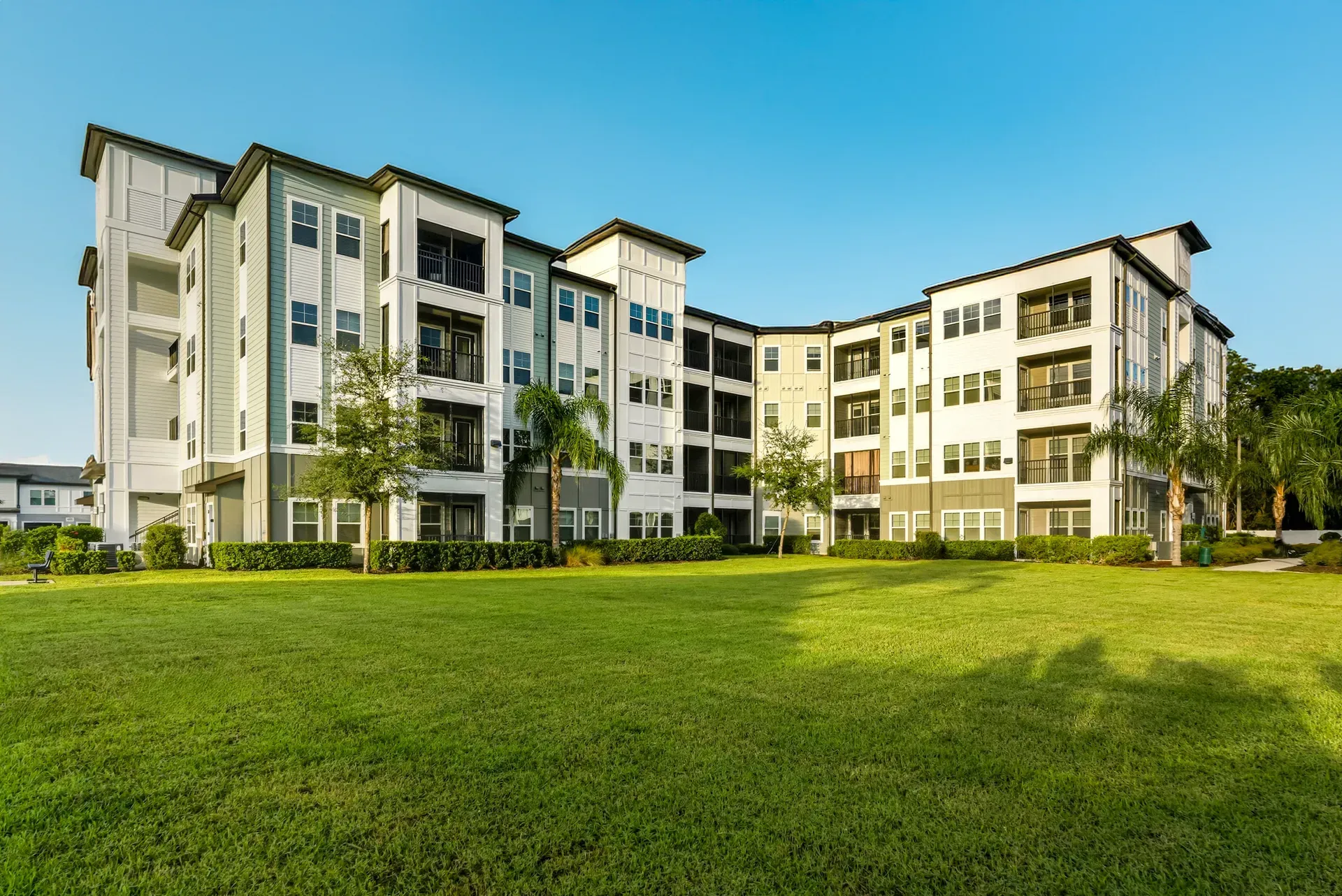
Multifamily Trends We’re Watching in 2026
After many years of rapid rent growth, increased development, and changing renter expectations, the multifamily housing market is shifting toward stabilization.
This means on-site and marketing teams need to be prepared to implement new, competitive leasing strategies in a landscape where supply is higher, renters have endless choices, and digital marketing plays a huge role in leasing performance.
Below are some of the key trends shaping the apartment industry this year, and how teams can respond to the industry changes and challenges.

1. Competing for Renters
It’s no secret that the competition has always been stiff, and the increase in inventory hasn’t helped even the playing field.
This means standing out online is necessary to attract renters, which requires teams to put more effort into their websites and online presence by:
- Communicating value, amenities, and lifestyle benefits on your website
- Implementing a strong SEO strategy to increase search visibility and capture renter demand
- Showcasing high-quality photos, video tours, and virtual tours that set you apart from the competition.
- Responding faster to leads and providing exceptional leasing experiences to improve conversion rates.
Communities that take their digital apartment marketing strategies seriously will have the advantage over the competition.

2. Rent Growth Stabilization
Rent growth has been aggressive in recent years. While rents do remain strong in many markets, growth has slowed, with a
1.2% increase projected this year.
For renters, this means stability and more options. For property owners, this means keeping those renters is going to be a challenge.
Marketing strategies that focus on maintaining strong occupancy, improving resident retention, and communicating value to existing and future renters will be important this year.
Additionally, marketing content that focuses on on-site amenities, neighborhood conveniences, and community lifestyle can help attract prospects who are considering several options.

3. Renters Want (and expect) More
Renters want more than just an apartment - they want a community that supports their lifestyle.
One out of five people works from home, prompting a rise in the need for more coworking and remote workspaces. And with the AAOA reporting nearly 90% of renters are pet owners, it’s clear renters are searching for not only pet-friendly communities, but also on-site dog wash stations and bark parks.
Outdoor spaces and fitness centers are also in high demand, and residents who do commute to work expect it to be quick and easy. Additionally, interior apartment features like a full-sized washer/dryer, air conditioning, and high-speed internet access are on the must-have list.
This means marketing teams should:
- Have dedicated amenity pages that include detailed descriptions and visuals
- Create social media posts that showcase these amenities (as well as community events)
- Gear SEO content toward nearby attractions (parks, restaurants, entertainment) and necessities (work, bus/train, stores)
This type of lifestyle-driven marketing lets renters picture themselves living in the community and the surrounding neighborhood.

4. Digital Drives Decisions
We all know renters start searching for an apartment online, and that they’re comparing everything from rental rates to how many minutes it takes to get to work.
This means renters are not only pre-qualifying themselves, but they’re also making critical decisions long before they ever pick up the phone to make an appointment.
This means appearing in search and having an online presence is critical for marketing success.
Key digital channels influencing leasing decisions
- Google Search
- Google Business Profile
- Apartment listing services (ILS)
- Property websites
- Social media platforms
Marketing implications
Apartment operators should prioritize:
- SEO for apartment websites
- Google Business Profile optimization
- Strong website performance and mobile experience
- Consistent content updates and local relevance
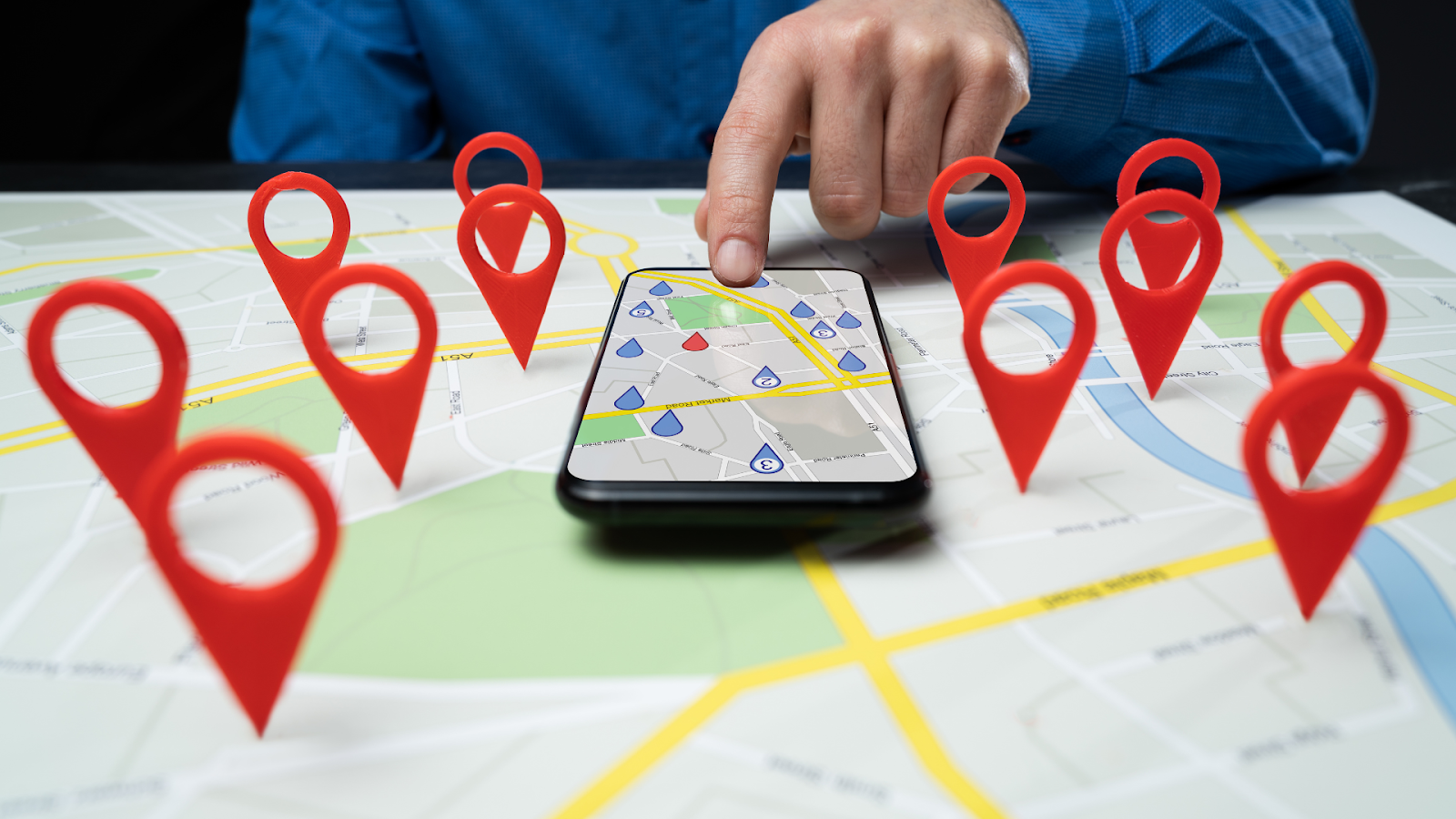
When renters search for
“apartments near me” or
“apartments in [city]”, properties with stronger digital marketing strategies are more likely to capture those leads.
5. The Importance of Hyperlocal Content
With AI and AEO taking up a lot of air space in the marketing conversation, it’s become apparent that we’ve moved beyond the traditional “near me” search.
Renters are getting more specific and intentional, turning to places like ChatGPT and Reddit to get answers to increasingly common queries like:
- “Apartments near downtown”
- “Apartments near [university]”
- “Pet-friendly apartments near parks”
This means hyperlocal content has become a must for SEO performance, and this content can cover a broad range of things like neighborhood guides, local attractions/lifestyle content, and even pages that highlight nearby employers, schools, and entertainment.
This type of content helps attract more qualified renters and allows apartment communities to rank for long-tail search queries.

6. Resident Experience and Reviews Influence Leasing
Strong online reputations, with authentic reviews from actual residents,
see better leasing performance. It takes a lot of time to build a good reputation online, and apartment operators need to ensure trust is maintained.
On-site teams have many opportunities to ask for feedback:
- After a tour
- After renting
- After move-in
- After a completed maintenance request
- After renewal
Asking for reviews (without bribing or review gating), monitoring review platforms, and responding to reviews speedily and professionally reinforces trust and can also improve local SEO rankings and conversion rates!
What This Means for Multifamily Marketing in 2026
The apartment industry in 2026 is becoming even more competitive and strategic. Communities that invest in strong digital marketing, resident experience, and SEO will be best positioned for success.
By aligning marketing efforts with renters' expectations and search behavior, apartment communities can continue to attract qualified prospects and maintain strong occupancy levels.
Interested in chatting about the trends we discussed, or just looking to learn more about our team and communities? Contact us today, or follow us on LinkedIn.